


Supplements Good for Energy: Boost Your Vitality Naturally
Supplements can play a significant role in supporting energy levels. Many individuals seek natural ways to enhance vitality, especially in today's fast-paced lifestyle. Understanding the key components that contribute to energy, such as specific vitamins and minerals, is essential. This article will explore supplements that are recognized for their energy-boosting properties and how they can be integrated into a balanced diet.
Understanding Supplements Good for Energy
In a world filled with constant demands and challenges, the quest for sustained energy has become increasingly vital. A variety of natural supplements are available, designed to help individuals maintain their energy levels throughout the day. Many of these solutions are derived from plant-based sources, aligning perfectly with the growing trend towards wellness and natural health. Emphasizing botanical ingredients, these supplements aim to provide safe and effective methods to combat fatigue.
The role of dietary supplements extends beyond merely enhancing energy levels. They can aid in optimizing overall wellness and functioning. A wide array of products exists, such as vitamins, minerals, and adaptogens, which are often used to address fatigue. Each of these supplements contributes uniquely to energy metabolism, providing resources that the body can utilize efficiently.
Common types of energy-boosting supplements often include:
- Vitamins, such as the B-complex group, crucial for converting food into energy.
- Minerals, notably iron and magnesium, which play significant roles in energy production.
- Adaptogens, such as ashwagandha and rhodiola, which help the body manage stress and fatigue effectively.
Understanding how these components interact with the body's systems is essential. Nutrients such as B vitamins facilitate energy transformation from carbohydrates, fats, and proteins consumed in the diet. This process is fundamental for sustaining high energy levels and alertness, which is especially important in demanding life situations.
Iron's importance cannot be overstated. This mineral is key in transporting oxygen, and low levels can lead to anemia and subsequent fatigue. Ensuring an adequate intake is crucial, especially for specific populations, including women and those on restrictive diets. On the other hand, magnesium is involved in over 300 biochemical reactions, including those related to energy production. Insufficient magnesium can contribute to a decline in energy levels and overall health.
Moreover, adapting the approach to address energy levels through dietary supplements caters to various lifestyles and needs. Individuals leading busy lives often seek out quick solutions to combat their fatigue. The use of natural supplements can promote energy recovery without the adverse effects often associated with caffeine or sugar-laden products.
It's important to acknowledge that the effects of these supplements can vary from person to person based on dietary habits, existing health conditions, and lifestyle choices. While some may experience an immediate boost in energy, others may notice gradual improvements over time as deficiencies are addressed.
Understanding the body’s unique demands becomes essential when selecting the right supplements for energy enhancement. Consulting with a healthcare provider can assist in identifying specific nutrient needs, leading to a more personalized and effective supplementation strategy.
In summary, the landscape of energy-supporting supplements is vast and varied. Products made from plant-based ingredients can deliver significant wellness benefits, particularly when incorporated into a comprehensive approach to health. This understanding will help individuals make informed choices about their energy needs while embracing the best of what nature has to offer.
Key Vitamins and Minerals for Energy Support
The role of vitamins and minerals in energy metabolism is crucial for maintaining overall vitality and preventing fatigue. These nutrients not only contribute to the body’s energy production but also enhance various metabolic processes. Incorporating the right ones into daily nutrition can significantly impact energy levels.
Vitamins of the B Complex
The B vitamins are fundamental in energy production. They are involved in converting food into usable energy and facilitating numerous biochemical reactions in the body. The significant B vitamins include:
- Vitamin B1 (Thiamine): Vital for carbohydrate metabolism and helps convert glucose into energy.
- Vitamin B2 (Riboflavin): Important for energy production and cellular function, and aids in the metabolism of fats and proteins.
- Vitamin B3 (Niacin): Essential for converting nutrients into energy and maintaining the health of the nervous system.
- Vitamin B5 (Pantothenic acid): Plays a role in synthesizing coenzyme A, vital for fatty acid metabolism and energy generation.
- Vitamin B6 (Pyridoxine): Supports protein metabolism and the creation of neurotransmitters that can affect energy levels.
- Vitamin B7 (Biotin): Crucial for lipid and carbohydrate metabolism.
- Vitamin B9 (Folate): Important for DNA synthesis and overall cellular function.
- Vitamin B12 (Cobalamin): Necessary for red blood cell production and maintaining proper neurological function.
Deficiency in any of these B vitamins can lead to decreased energy levels, cognitive impairments, and increased fatigue. Ensuring adequate intake through diet or supplementation can help to mitigate these issues.
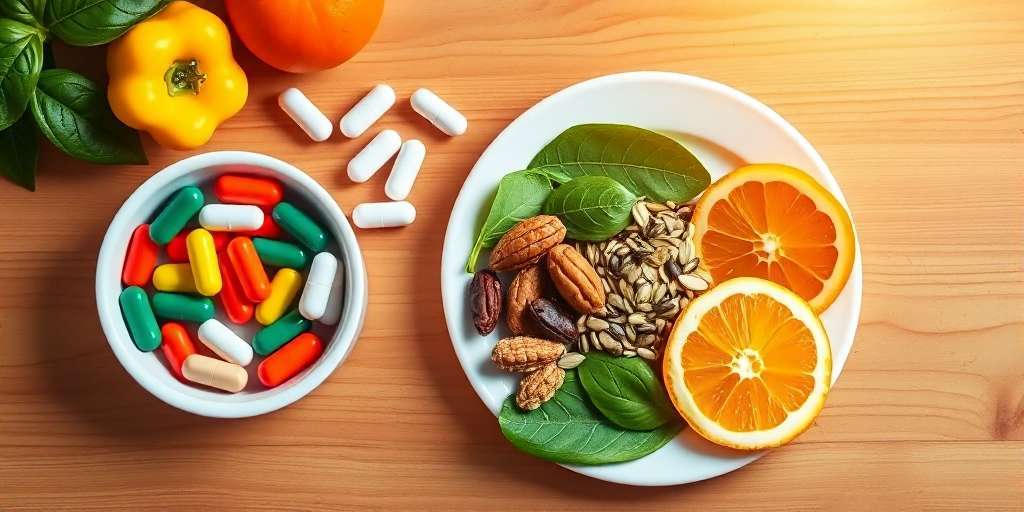
Iron
A key mineral associated with energy levels, iron is crucial for the formation of hemoglobin, which transports oxygen throughout the body. Oxygen is essential for energy production in the cells. Low iron levels can lead to anemia, resulting in fatigue and weakness. Foods rich in iron include:
- Lean meats
- Legumes
- Spinach
- Fortified cereals
Individuals, particularly women of childbearing age, may need to monitor their iron intake closely to prevent deficiencies.
Magnesium
This mineral is vital for energy production as it participates in over 300 biochemical reactions in the body. Magnesium aids in the conversion of food into energy and plays a significant role in muscle function. Popular sources include:
- Nuts and seeds
- Whole grains
- Leafy green vegetables
Insufficient magnesium intake can lead to fatigue, muscle cramps, and reduced stamina.
Zinc
Recognized for its immune-boosting properties, zinc also plays a role in energy metabolism. It is involved in the activation of enzymes necessary for cellular energy production. Food sources rich in zinc include:
- Meat
- Seafood
- Legumes
- Nuts and seeds
A lack of zinc can contribute to fatigue and impaired cognitive function, making it essential for optimal energy levels.
How Supplements Can Help Your Energy Levels
Addressing low energy levels often requires a multifaceted approach, where supplements can play a significant role. They offer targeted support for individuals aiming to enhance their vitality through natural means. The efficacy of these products lies in their formulations, which are designed to supply essential nutrients that the body needs for optimal energy production and metabolic function.
Natural supplements, often derived from plant-based ingredients, can help in various ways. By replenishing nutrient deficiencies, these products assist in maintaining energy levels throughout the day. Key nutrients involved in energy metabolism include B vitamins, iron, magnesium, and more. Here's how these supplements function:
- B Vitamins: These vitamins are pivotal for converting food into energy. Each B vitamin has specific roles, such as B1 (thiamine) aiding in carbohydrate metabolism and B12 supporting nerve function and red blood cell production.
- Iron: Vital for oxygen transport in the body, iron helps reduce fatigue. It is especially beneficial for those at risk of deficiency, such as menstruating women and certain dietary groups.
- Magnesium: This mineral plays an essential role in energy production. It assists in muscular function and has been linked to increased energy levels when consumed in adequate amounts.
- Zinc: Although less recognized, zinc contributes to metabolic processes that facilitate energy production. Its deficiency can lead to feelings of fatigue and decreased cognitive performance.
Understanding how supplements support energy levels is crucial for those exploring these options. The body relies on various biochemical processes to convert food into usable energy, and nutrient availability directly impacts these pathways. For example, an individual with a deficiency in vitamins or minerals may experience a slowed metabolic rate, resulting in lower energy levels.
Supplements can also be essential for individuals with specific dietary restrictions. Vegans and vegetarians, for instance, may struggle to obtain adequate amounts of B12 or iron from their diets. In such cases, supplementation can provide a necessary boost to their nutrient intake, promoting better energy levels.
Furthermore, combining dietary changes with appropriate supplementation creates a synergistic effect. A balanced diet rich in whole foods, along with targeted supplements, can enhance overall energy management. Foods that naturally contain these energy-boosting nutrients should be prioritized, while supplements should be a complementary addition rather than a primary reliance.
Proper timing and dosage of supplements are also critical factors. Consuming them at the appropriate times can promote maximum efficacy. For example, taking B vitamins in the morning can be beneficial for energy levels due to their role in metabolism.
In summary, the role of supplements in enhancing energy is grounded in their ability to provide necessary nutrients that promote optimal metabolic function. By addressing deficiencies and supporting energy production, these natural formulations can significantly enhance overall vitality and well-being.
Special Considerations for Different Populations
Certain populations have unique nutritional needs that can influence their energy levels and the effectiveness of dietary supplements. Understanding these variations is essential to tailoring supplement regimens that meet specific health demands.
Individuals in different age groups often have distinct energy requirements. For example, older adults may experience diminished nutrient absorption, especially with vitamins like B12, leading to potential deficiencies that can contribute to fatigue. This demographic might benefit from supplements designed to address these specific needs, ensuring optimal energy levels throughout the day.
Women, particularly those of childbearing age, face unique challenges concerning energy. Iron deficiencies are common due to menstruation, which can lead to anemia and fatigue. Including iron-rich supplements, alongside dietary sources such as lean meats and legumes, can help counteract these deficiencies. Additionally, women who are pregnant or lactating require increased amounts of certain nutrients, including folate and iron, to support both their health and the growth of their child.
Vegetarians and vegans must also pay careful attention to their nutrient intake, as their diets may lack specific vitamins and minerals predominantly found in animal products. B12 is a crucial consideration, as it plays a vital role in energy production and cognitive function. Supplementation can be an effective way to ensure adequate levels in these populations, complemented by fortified foods. Nutrients like omega-3 fatty acids, vitamin D, and iron, which might be less accessible in plant-based diets, should also be monitored.

Physical activity levels significantly impact energy needs, particularly among athletes and those engaged in intense workouts. Athletes often require higher amounts of specific nutrients to support energy metabolism and recovery. Supplements containing branched-chain amino acids (BCAAs), vitamins, and minerals can help enhance performance and reduce fatigue after strenuous activities.
- Endurance athletes often benefit from energy-boosting supplements that support stamina and recovery.
- Strength training individuals might require additional protein and amino acid supplementation.
- Low-energy levels in sedentary individuals may necessitate assessment of their overall nutrient intake.
People with chronic health conditions, such as diabetes or cardiovascular disease, also require thoughtful consideration regarding supplements. These individuals should prioritize nutrients that support their specific health needs while focusing on maintaining energy levels. Magnesium, for instance, has a promising role in managing blood sugar levels and can enhance energy production.
The elderly, women, athletes, and individuals with special health conditions reflect just a few of the diverse populations that may benefit from targeted supplementation. Assessing their individual dietary habits along with lifestyle factors is key to developing an effective energy-support regime. Each population's unique requirements highlight the importance of customizing supplementation plans to maximize health and wellness effectively.
Building an Energy-Boosting Diet and Supplement Plan
Creating a diet designed to enhance energy levels involves a strategic combination of nutrient-rich foods and thoughtfully chosen supplements. Emphasis should be placed on incorporating whole food sources that provide essential vitamins, minerals, and macronutrients. The goal is to foster a balanced intake that naturally supports the body's energy demands.
Start by focusing on a variety of whole foods. Key components to include are:
- Complex Carbohydrates: Foods such as whole grains, sweet potatoes, and legumes serve as primary energy sources. These carbohydrates release energy gradually, preventing spikes and crashes.
- Lean Proteins: Sources like chicken, turkey, fish, eggs, and plant-based proteins such as beans and lentils help build and repair tissues while also supporting energy metabolism.
- Healthy Fats: Incorporating sources such as avocados, nuts, seeds, and olive oil contributes to sustained energy and absorption of fat-soluble vitamins.
- Fruits and Vegetables: A rainbow of produce should be consumed for vitamins, minerals, and antioxidants that enhance overall health and reduce oxidative stress.
In conjunction with a nutrient-dense diet, certain dietary supplements can further boost energy levels. Popular options include:
- B Vitamins: These vitamins play a pivotal role in energy metabolism. If deficiencies are confirmed, supplements can offer significant support.
- Iron: Essential for transporting oxygen in the blood, iron supplements may be needed for individuals with low levels, particularly those with dietary restrictions.
- Magnesium: This mineral is crucial for converting food into energy. Supplementing with magnesium can aid those whose dietary intake is insufficient.
- Vitamin C: Known for its immune-boosting properties, it also supports energy production and iron absorption, making it a valuable part of a supplement regimen.
Establishing a consistent eating schedule is equally important. Regular meals and snacks help maintain stable blood sugar levels, which can enhance energy. Aim for three balanced meals and two to three healthy snacks daily. Additionally, hydration cannot be overlooked; water is vital for every metabolic process, and even mild dehydration can sap energy levels.
Creating a supplement plan should involve assessing individual needs and possible deficiencies. Consulting with a healthcare professional or nutritionist can help solidify a plan tailored to specific health goals and energy requirements. Monitoring how different foods and supplements impact energy levels can lead to effective adjustments in the strategy.
Meal example: A typical day could include oatmeal topped with berries and nuts for breakfast, a quinoa salad with mixed vegetables and chicken for lunch, and a dinner of grilled salmon with steamed broccoli and brown rice. Healthy snacks could consist of Greek yogurt or a handful of almonds, supporting sustained energy throughout the day.
As patterns and needs can vary greatly, personalizing both diet and supplementation involves trial and error. Individuals are encouraged to pay attention to their body's responses to various foods and supplements. Over time, an energy-boosting plan can be refined to best suit individual lifestyle and nutritional needs.
Future Trends in Energy Supplements and Personalized Nutrition
The landscape of energy supplements is continually evolving, driven by advancements in research, technology, and consumer preferences. As the demand for personalized nutrition rises, brands are responding with tailored supplement solutions that cater to individual needs. This trend is not only about addressing generic energy concerns but also about understanding the unique biochemical makeup of each consumer.
Emerging technologies in genetic testing and microbiome analysis are playing a crucial role in shaping personalized nutrition. Consumers are increasingly interested in products designed specifically for their genetic profiles, lifestyle factors, and dietary preferences. This individualized approach could allow for highly targeted formulations that optimize energy levels more effectively than traditional one-size-fits-all supplements.
Key trends influencing the future of energy supplements include:
- Genetic Tailoring: Personalization based on genetic testing can help in understanding how different bodies metabolize nutrients, leading to specific recommendations for energy-boosting supplements.
- Microbiome Considerations: The gut microbiome's impact on energy levels is receiving growing attention. Supplements that support gut health may enhance overall energy, as a healthy microbiome is linked to improved nutrient absorption and metabolic function.
- Smart Supplementation: The integration of technology in supplement delivery systems, such as wearable devices that monitor biometric data, can optimize the timing and efficacy of supplements for energy enhancement.
- Plant-Based Innovations: As consumers become more health-conscious, there is an increasing focus on botanicals and ingredients derived from nature. Products that harness the power of adaptogens, superfoods, and other plant-based compounds are gaining popularity for their potential energy-boosting benefits.
Companies are also recognizing the need for transparency and clean labeling. Modern consumers are more informed and are demanding detailed information about the sources and efficacy of ingredients in their supplements. This trend toward transparency is pushing brands to provide proof of efficacy through scientific research and clinical studies.
In terms of formulations, there is a noticeable shift towards combining energy-boosting ingredients with supportive nutrients. For instance, supplements might include not only B vitamins and iron but also adaptogenic herbs known for reducing stress, which can indirectly enhance energy levels by improving overall well-being.
Furthermore, sustainability is becoming increasingly relevant. Consumers are inclined to choose brands that prioritize environmentally-friendly sourcing and production methods. Energy supplements that are sustainably produced and packaged are likely to resonate well with today's eco-conscious buyers.
Ultimately, the integration of personalized nutrition into the sphere of energy supplements is paving the way for innovative products and solutions. These developments signify a transformation in how consumers approach energy enhancement, moving from general supplementation to customized plans that align with individual health profiles and lifestyles. As research continues to advance, the future of energy supplements looks promising, holding potential for greater effectiveness and alignment with personal health goals.
